03 Mar 2010
Mar 3, 2010 01:19 PM ET
By Mike Hales, Joe Reifel, Gang Xu and Andrew Beebe of A.T. Kearney.
Introduction
Telematics-the integration of global positioning system technology and mobile communications-could dramatically alter the auto insurance industry. From personalized premiums based on individual driving data to automated emergency services and entertainment-based add-ons, telematics has the potential to upend the stable model that has dominated the industry for more than 50 years. The winners will be those early movers that capture the safest drivers, take advantage of pricing power and ease consumers' concerns about privacy. This, the first in a series of three articles, looks at some of the challenges insurance companies have faced adopting telematics, where it has been adopted thus far, and where it might offer the most compelling propositions.
Reinventing Auto Insurance
The fundamental business model for the auto industry has changed little in decades. Usually, insurers determine auto premiums based on information collected at the point of sale - age, sex, annual usage, credit score and driving record - with little concrete data about driving habits and potential risks. After buying a policy, customers interact mainly through regular premium payments and standard claims procedures.
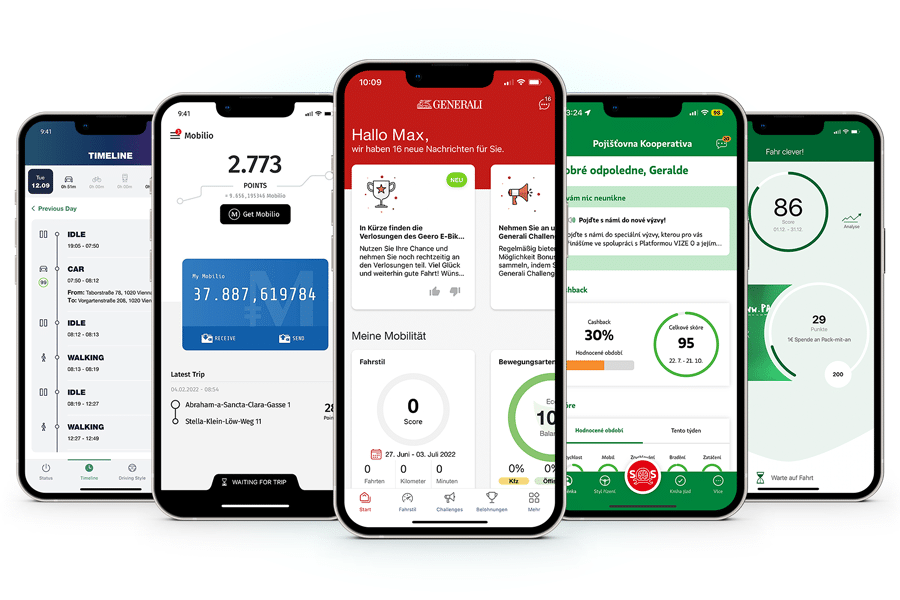
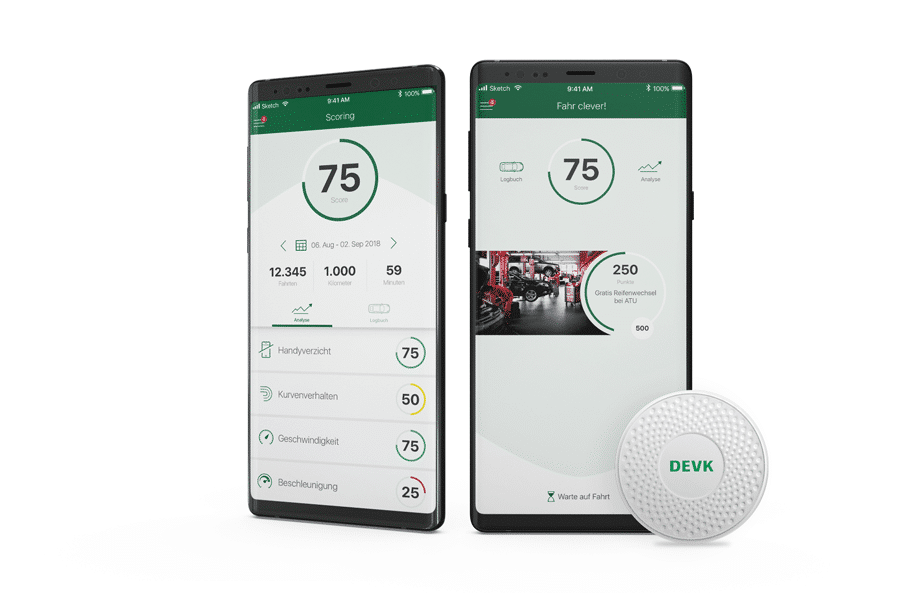
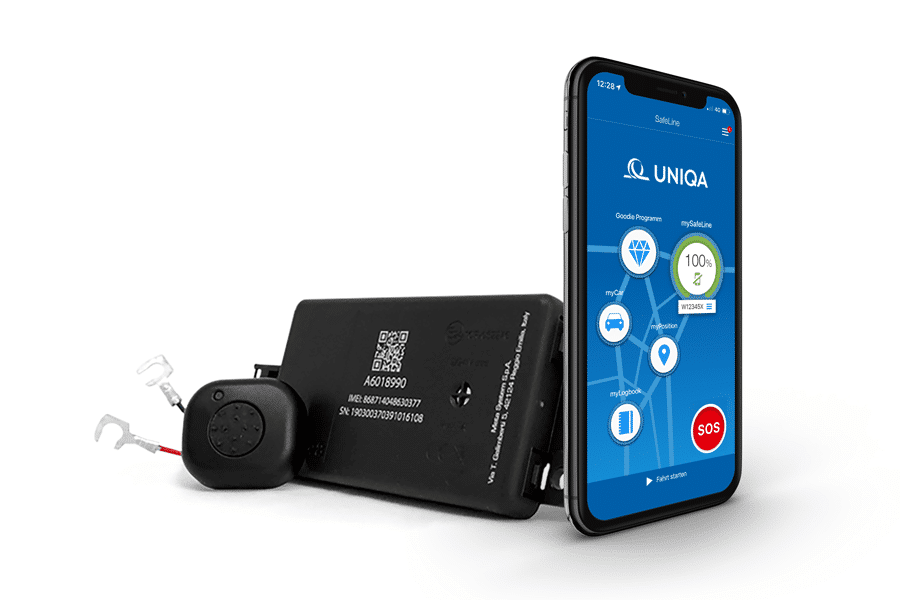
Telematics has shown the potential to turn this model on its head. By installing or embedding telecommunications devices into cars to transmit real-time driving data, driving habits, and road and weather conditions, insurers could measure and price premiums more accurately, provide customized services, improve safety and reduce claim costs.
In addition to unique offerings centered on insurance, telematics could provide new ways to serve customers. Instead of the traditionally sporadic customer touch points - mainly during accidents - insurers could pave the way for more frequent, more lucrative interactions, based on attractive add-on services such as real-time navigation, concierge and in-car entertainment. Breakthrough offerings and a new customer experience will offer new revenue streams and business models. In short, the way auto insurance is provided and customers are served will be fundamentally altered. (See illustration below.)

Of course, success in this arena is still waiting in the wings, and may not come so easily. The market has grown slower than originally expected, largely because of customer concerns about the privacy of data and the high up-front technology costs. Tackling these issues will be vital for future success in telematics. With an estimated 250,000 customers available for telematics-based offerings, and implementation costs dropping, auto insurers have no time to waste to make their move into this valuable market.
Catching up with the Future
Many insurers have already begun forays into the telematics arena. In the United States, Progressive's MyRate program, based on how much a driver drives, has been implemented in 19 states. Other insurers, including AAA, Allstate, State Farm, Hartford, GMAC, Erie Insurance, MetLife, Safeco and American Family, are actively conducting trials for market entry. Europe has moved more quickly, with key players such as Norwich Union, Allianz and AXA installing more units than their American counterparts. These early movers have accumulated enormous amounts of market intelligence and learned valuable lessons that are enabling them to develop economically viable business models.
Telematics has much to offer consumers, who place low premiums and good-driving reciprocity at the top of their wish lists, according to market research. Telematics offerings based on usage and driving behaviors could meet those desires, providing lower rates - perhaps 30 to 50 percent cheaper - for good drivers. On top of that, telematics could offer real-time and online feedback to drivers to improve their driving performance, provide safety, security and emergency assistance, and reduce accidents - all of which could lead to lower rates. A potential telematics offering could also span the full technology platform so that standard coverage could be combined with features never before associated with car insurance: navigation assistance, traffic avoidance, itinerary planning, vehicle diagnostics and mp3 players.
For insurers, winning in this market will be a major area of differentiation as they improve their risk management, heighten the safety of their drivers, reduce claim costs and draw in new customers. Specific markets could open up, as demonstrated in American Family's teen program, which has demonstrated significant improvement on accidents and reduced claim costs.
In the end, insurance would become cheaper for good drivers and the companies that insure them (see illustration below). More accurate pricing models will enable insurers - especially first movers - to target good drivers with competitive lower rates, reducing the combined loss and maintaining the profit margin. The segmentation of customers will change, with increased knowledge about driver safety and usage. The game to win for insurers down the road is in acquiring new customers who are predisposed to safe driving, and creating a pricing advantage that can retain the good drivers.

A Private Matter
The barriers in this market can seem daunting, and the continued struggles in conquering them have kept the market from growing as rapidly as expected. While pricing has been an issue for both insurers and their customers, the most prominent concern according to market research has been user privacy, an issue which deserves special attention here. Many insurance customers say they are worried about installing a "black box" in their vehicles and being watched by "Big Brother," but, we don't believe this is an unsolvable problem.
First of all, people are willingly divulging their personal information in many different arenas and industries, despite their qualms. Social networking websites Facebook and LinkedIn have gained hundreds of millions of users, Internet banking and online credit card use has become prominent, and most cell phone users don't worry about their phone holding location information. When it comes to telematics, though, we believe it is the "stigma" of insurance companies, and the fear that data about their driving behavior could be misused, that causes the concern. To overcome this hurdle, insurers must be as transparent as possible up front, offer the right amount of value-added services to customers, and carefully position the offerings with the right messages to win over consumers.
As we noted earlier, consumers want reciprocity - our market research clearly indicates that consumers will trade in some of their privacy if in return they get the right services at the right price. The number of subscribers for OnStar and other roadside service companies is growing; banks have drawn online users by offering incentives for going paperless on bills. Furthermore, technological advancements are improving location-based services, such as concierge and emergency roadside assistance, and consumers are gradually warming to the benefits of releasing certain parts of their private information.
But what about solving the primary concern, that insurers will capture and use data about their clients' whereabouts? We believe there are ways to ease customers' concerns. A feasible program that gets proper access to driver safety records could be developed without seeking access to too much data.
One potential solution is to embed a driver behavior analysis algorithm into the telematics device. The machine would process the customer's driving data and provide only a normalized score (say, a 1-to-10 scale) that could serve as the basis for premium adjustments. The device would record where customers have driven, but the insurers would not have access to that detailed history. In this example, the device would process all driving-related data onboard and in real-time to calculate a driver score. Only this score would be sent back to insurance companies on a pre-defined schedule, while the detailed driver data including location info would reside in the unit and would be erased periodically. The score would be sufficient for determining the risk level and adjusting premiums accordingly.
Currently, a number of the device manufacturers are able to provide onboard data analysis functions to mitigate these privacy concerns. An alternate option would allow customers to delete the detailed history, or keep it and access it online.
In the future, it seems clear that insurers could take advantage of telematics without diving too deeply into personal data - they don't have to know where customers drive exactly, as long as they can know about driver safety and potential risks.
While the privacy concerns present an obstacle, insurance companies can find ways to mitigate these concerns.
About the Authors: Mike Hales is a partner in the Chicago office and can be reached at mike.hales@atkearney.com; Joe Reifel is a partner in the Chicago office and can be reached at joe.reifel@atkearney.com; Gang Xu is a principal in the Southfield office and can be reached at gang.xu@atkearney.com; Andrew Beebe is a manager in the Chicago office and can be reached at andrew.beebe@atkearney.com.

Links