Delphi moves on aftermarket telematics

26 Jul 2010

With pilots underway, Delphi hopes to develop aftermarket business model for telematics. Telematics systems could represent a huge opportunity for the aftermarket - provided that the industry can develop a cohesive business use model for this remote vehicle diagnostic, communication and entertainment technology.

OEMs have continued to roll out and support telematics services like GM's OnStar and Ford's Sync, and the explosion of mobile phones equipped with GPS technology has opened even more opportunities for manufacturers, repairers and consumers to communicate with each other via the vehicle. However, efforts to take advantage of telematics in the aftermarket have been spotty and disjointed. Last year, though, Delphi announced it was launching a series of pilot projects to define the business case for aftermarket telematics.

"A major U.S. OEM printed a report in 2009 that showed they could increase service revenue for a typical medium to large dealership by $15,000 per month using telematics," says Chris Slesak, director of telematics business development at Delphi. "If a dealership or service center can use telematics to get access to the vehicle first, they have a first mover advantage. If they have access to the end customer through an address, text message, or e-mail alerts, then that service center has the ability to cash in on that transaction first."

Not only would the service center benefit, but also jobbers and distributors. "Think about the vision for five to ten years from now," Slesak says. "You could potentially have a vehicle that diagnosed itself and sends that information to the technician. Then information could be automatically routed to the jobber, who then sends the parts automatically. Before the owner even gets to the service center, the part is waiting on them."

The problem, though, is how to pay for these systems to be installed in customer vehicles. "How do you make sure there is a business model that supports this from a long-term sustainability perspective?" Slesak says.

Vehicles, shops stay connected
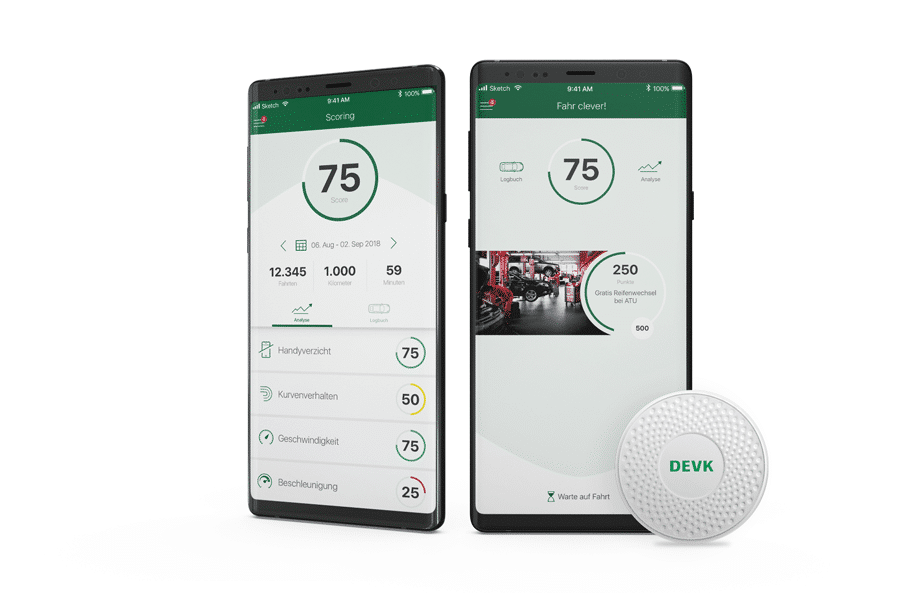
Delphi has developed a palm-sized diagnostics device that can be installed by the vehicle owner, and last year at AAPEX Delphi announced that it was working with key partners in the service, parts, distribution and repair markets to create a telematics business model for the aftermarket, and planned to launch a pilot in the fourth quarter of 2009.

The customer pilot was split into two phases; the first phase has been completed, and as of this writing the company was moving into phase two, with a production roll out planned in 2011.

The Delphi telematics device plugs into the OBDII connector and provides vehicle communications as well as GPS location data. "Information on the vehicle goes to the Delphi server, which communicates with the customer and allows us to send reports on the vehicle, including utilization, diagnostic codes, and vehicle performance data," Slesak says.

Conceivably, that information could be sent directly to a vehicle owner, or to a service center that would use the data to contact their customers about scheduled maintenance or any diagnostic trouble codes that may have been picked up.

In addition to the diagnostic, service and sales opportunities, Delphi thinks independent repair shops could strengthen relationships with their customers and build repeat business using the technology, or even increase service center efficiency. Distributors could simplify inventory management and enhance customer interactions by having access to data on what parts were in high demand in their service area. Vehicle owners, in turn, would have access to vehicle health monitoring, maintenance reminders, and vehicle incident management, even if they weren't using an OEM service like OnStar.

"The way we see it, this device could be leveraged through different customers," Slesak says. "Whether that's the vehicle owner, a fleet owner, the insurance company, a WD, parts manufacturer or a service center. You can't have one or two companies burdened with the entire cost of the system. There may have to be strategic partnerships."

That's because OEMs have been able to leverage their nationwide network of dealerships to help bolster their telematics offerings. No single entity in the aftermarket can offer than kind of certified repair coverage. For aftermarket telematics to work, the entire supply chain has to work together, and possibly in partnership with auto clubs, insurance companies, and other organizations.

One thing Delphi thinks the industry should avoid is charging a monthly fee for telematics services. "We all understand the difficulties of forcing the end customer to take on another monthly bill," Slesak says. "By using the right partners, you can make that monthly bill go away. As long as you bring the vehicle to my location and buy my parts, that monthly bill will go away. You have to find enough partners in the value stream to make price a non issue."

An aftermarket telematics solution also has to work on all makes and models. "There are technological challenges to that," Slesak says. "And how do you position it? Is it about safety, connectivity or providing features that service centers or insurance companies value?"

Telematics systems and services will require the aftermarket to adopt a different sales mindset. "In the aftermarket, if this thing costs $200, that's a good chunk of change," Slesak says. "But if you treat telematics like a traditional auto part, you will not be successful, in our opinion. The aftermarket has to look at the benefits. If you can increase efficiency by X percent, what does that mean to you financially? If you can increase part sales by 3 percent in one area, what does that mean financially?"

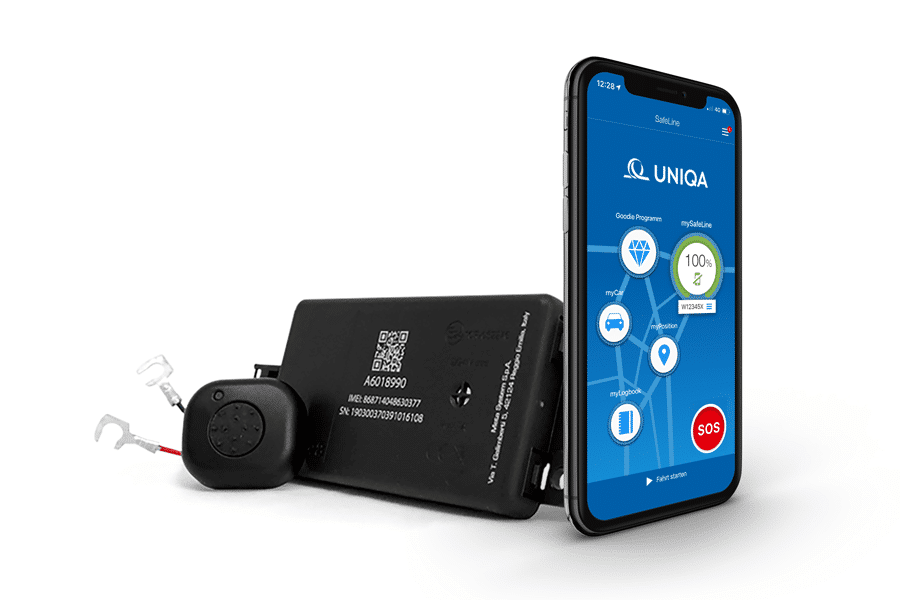
There have been some interesting developments. A company called Continental Automotive has developed an application called AutolinQ (based on the Google Android platform) that establishes an "app store" similar to that found on Apple's iPhone, but for the vehicle. Drivers could potentially purchase apps for diagnostics, navigation and other systems from third-party developers. Another company, CarShield, offers an aftermarket telematics product that provides crash notification, diagnostics and location tracking.

"Delphi sees this as something that's exciting, and that can be a game changing solution for the aftermarket," Slesak says. "If we select the right partners, this is a challenge that can be manageable. The industry will be able to take advantage of the technology at all levels."

By:  Brian Albright Aftermarket Business World

Links